15th, September 2025
Travel Guide
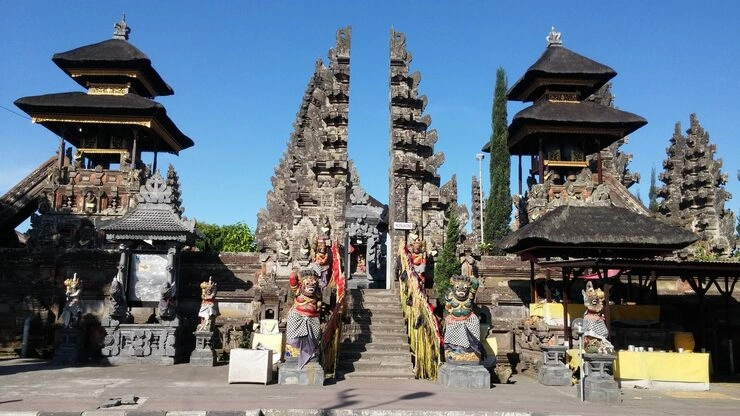
Bali is often celebrated for its beaches and vibrant nightlife, but the true soul of the island lies in its centuries-old traditions, sacred rituals, and breathtaking cultural landmarks. Beyond the golden sands, Bali’s temples, palaces, and ancient villages tell stories of kings and communities that have preserved their heritage for generations.
For travelers seeking authenticity, exploring Bali’s traditional cultural sites offers a chance to connect with the island’s spiritual heart.
From water palaces surrounded by lotus ponds to mountain temples shrouded in mist, each destination reflects Bali’s deep respect for harmony between humans, nature, and the divine.
Tirta Gangga
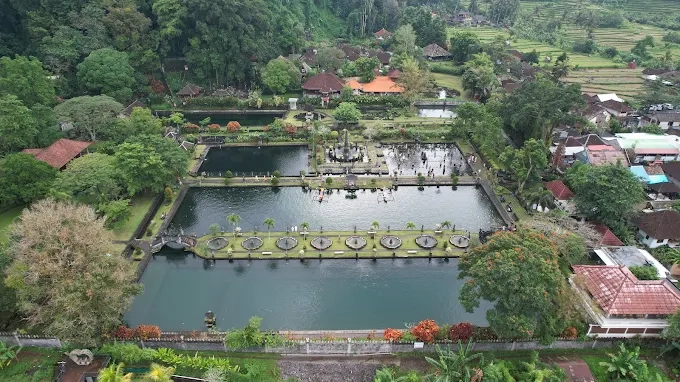
Tirta Gangga is a royal water palace in East Bali, built in 1946 by the last King of Karangasem.
Blending Balinese Hindu symbolism with European influences, it features tiered pools, koi-filled ponds, carved stone statues, and the striking eleven-tiered Nawa Sanga fountain, all framed by volcanic hills and rice terraces.
The sacred spring that feeds the pools is still revered today, with locals bathing and making offerings for purification.
One of its most iconic highlights is the stepping stone pathway across lotus ponds, where visitors can appear to “walk on water” amidst statues and temple spires.
Photographers especially love the symmetry and reflections, best captured in the soft morning light. It’s a site where history, spirituality, and beauty come together in perfect harmony.
Why visit: The highlight is the stepping stones across lotus ponds, where visitors can literally walk on water. Photographers love the symmetry, while spiritual travelers come for the sacred springs believed to purify the soul.
Tips: Arrive early morning for softer light and fewer crowds. Modest dress is recommended if you plan to bathe in the holy pools. Entry is around IDR 90,000 (~USD 5.4 / AUD 8.16); check the Taman Tirta Gangga website for the full entry fees.
Ujung Water Palace (Taman Ujung)
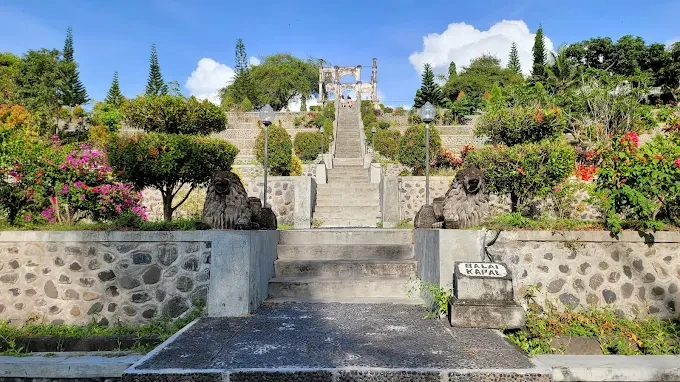
Taman Ujung, located in Karangasem, East Bali, is a royal water palace that beautifully blends Balinese spirituality with European elegance.
Commissioned by King I Gusti Bagus Jelantik in 1909 and inaugurated in 1937, the complex features tiered ponds, stone bridges, open lawns, and three expansive pools linked by graceful walkways and pavilions once used for royal ceremonies.
From its higher terraces, visitors can enjoy sweeping views of Mount Agung and the Lombok Strait, making it as scenic as it is historic.
Though parts were damaged by the 1963 eruption of Mount Agung and a 1975 earthquake, much of the palace has been carefully restored, retaining its aura of quiet grandeur.
Compared to its sister site Tirta Gangga, Taman Ujung is larger, more tranquil, and less crowded, ideal for slow exploration, reflection, and photography in late-afternoon light.
Why visit: Unlike Tirta Gangga, Ujung feels quieter and more expansive, offering panoramic views of Mount Agung and the Lombok Strait. It’s often overlooked, making it a hidden gem among Bali’s royal sites.
Tips: Visit for late-afternoon light. Entry: IDR 100,000 (~USD 5.99 / AUD 9.06) adults; children commonly half. Bring sun protection; limited shade around the upper viewpoints. Modest attire is appreciated on temple-adjacent platforms.
Mengening Temple
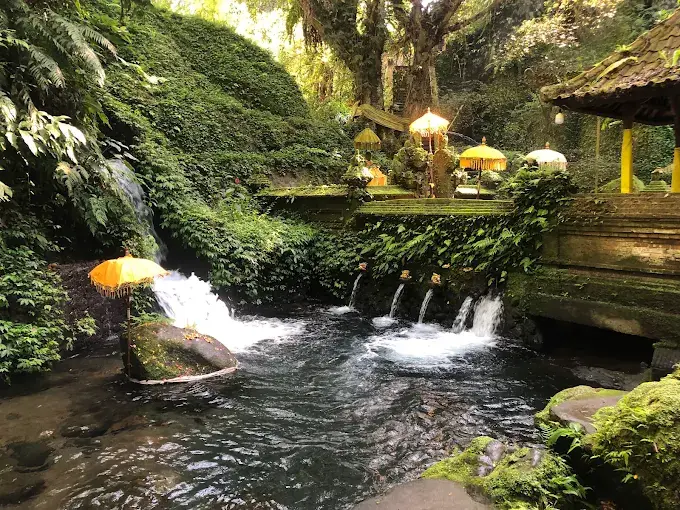
Nestled in Tampaksiring, Pura Mengening is often overshadowed by nearby Tirta Empul, yet it offers one of Bali’s most serene spiritual experiences.
The temple’s name translates to “quiet,” and true to that, its sacred bathing pools sit in hushed jungle surroundings.
The springs feed stepped pools under mossy stonework, creating an intimate, contemplative atmosphere, often with far fewer visitors than nearby Tirta Empul.
Why visit: Its tranquility and authenticity. Here you can witness Balinese people performing real rituals, not staged for tourists.
Tips: Entry (visit only): IDR 30,000 (~USD 1.8 / AUD 2.72). Sarong required; rentals/donations available. If you intend to purify, bring a change of clothes and follow the priest/guide’s sequence. Open roughly 8:00–18:00; mornings are most serene.
Tirta Empul (Tampaksiring)
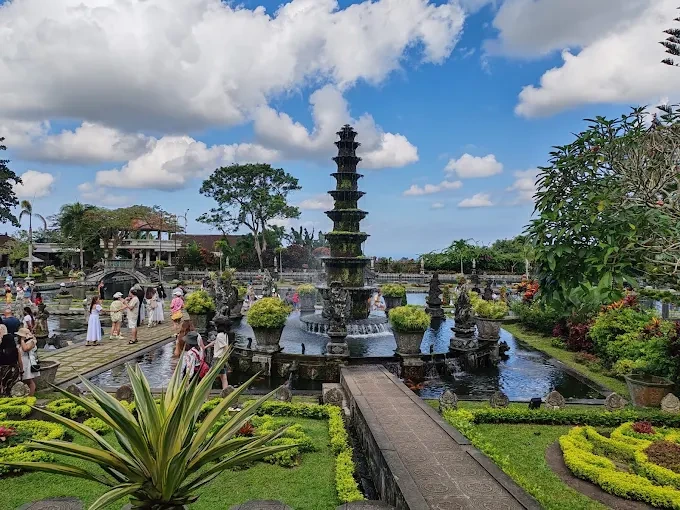
Tirta Empul, in Tampaksiring, is Bali’s most famous holy spring temple, dating back to 962 AD. Dedicated to Vishnu, the Hindu god of water, it draws both Balinese Hindus and visitors seeking purification.
The central pool has 30 fountains, where pilgrims perform the melukat ritual, moving from spout to spout to cleanse body and spirit.
The temple layout follows Balinese tradition, with outer, middle, and inner courtyards. Shrines, ceremonial halls, and banyan-shaded paths create a calm, sacred atmosphere. Beyond the pools, mossy stone walls and daily offerings reflect centuries of living devotion.
Why visit: The 30 fountains fed by natural springs form the core of the purification ritual. Participating is a deeply moving experience if approached respectfully.
Tips: Entry (visit only): IDR 75,000 (~USD 4.49 / AUD 6.8). Arrive before 10:00 to avoid queues. Hire a reputable guide for the correct order of spouts and meanings; modest dress and a sarong are mandatory. Bring a towel and waterproof bag if participating.
Pura Gunung Kawi (Tampaksiring)
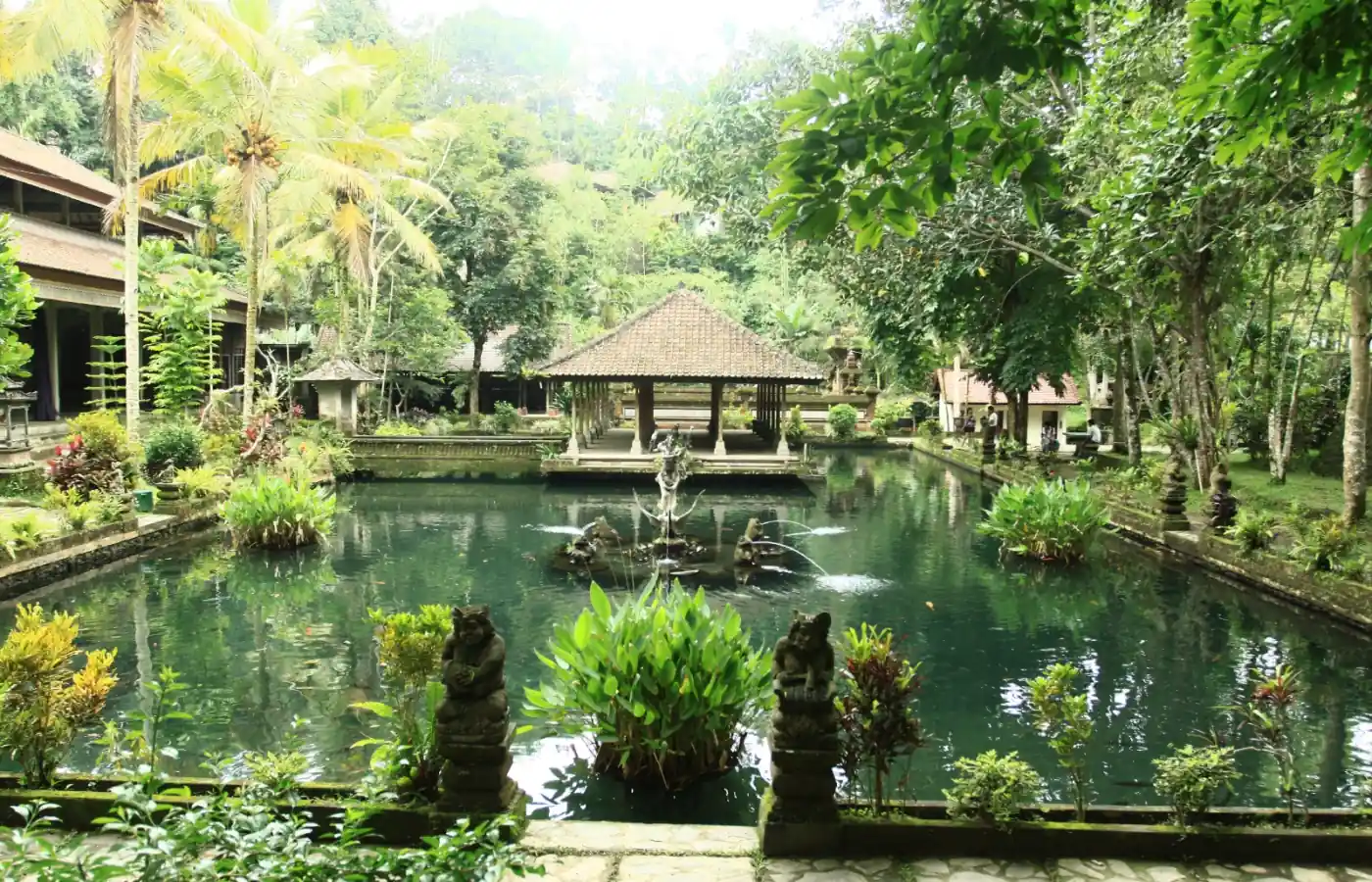
Set in a river gorge of rice terraces and bamboo, Gunung Kawi is famed for its ten 11th-century candi, monumental shrines carved into cliff faces, traditionally linked to Bali’s early royal line.
The descent (and climb back) unfolds through terraces, shrines, and flowing water that underscores the site’s sacred landscape.
Why visit: The combination of jungle, rice terraces, and monumental stone carvings makes it one of Bali’s most mystical places.
Tips: Expect ~300 steps down; wear good footwear. Entry: IDR 75,000 (~USD 4.49 / AUD 6.8) for international adults; sarong is typically included at the gate. Early morning offers softer light and cooler temperatures.
Pura Besakih – The Mother Temple (Mount Agung)
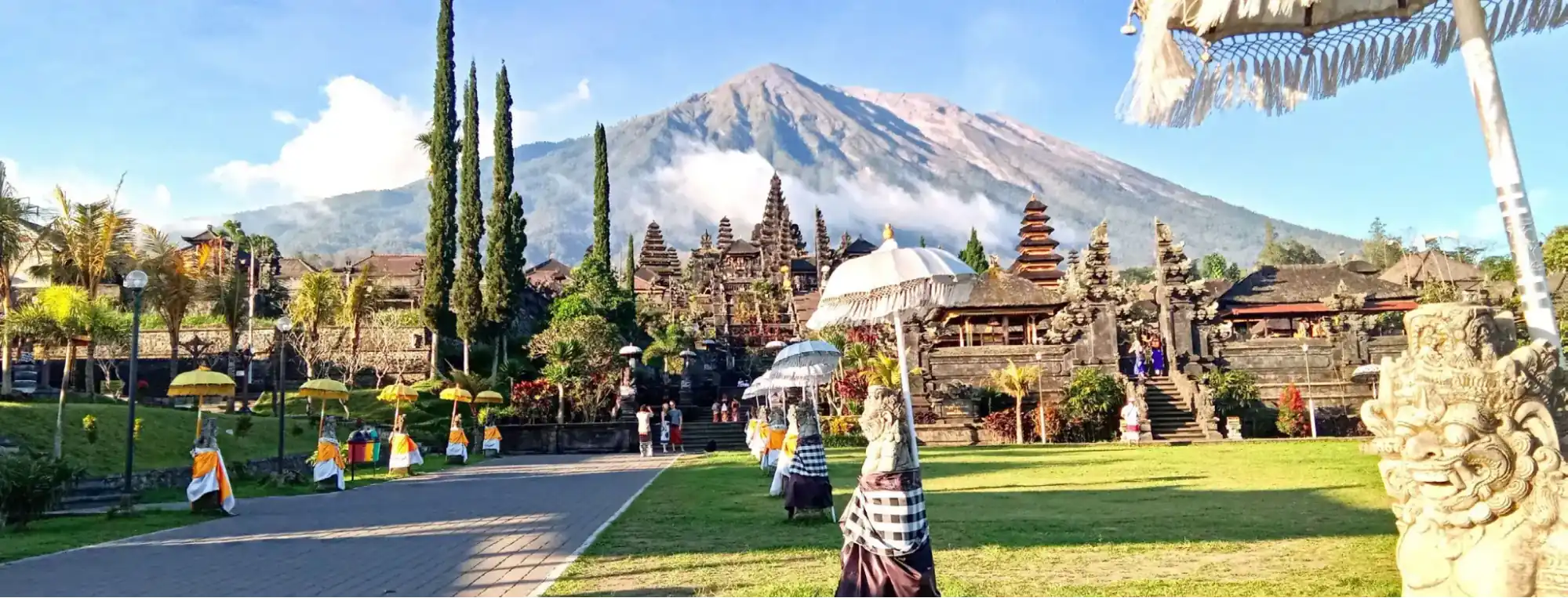
Pura Besakih, on the slopes of Mount Agung, is Bali’s largest and most sacred temple complex. With origins over 1,000 years old, it includes more than 80 temples, with Pura Penataran Agung at the center. Each temple serves different clans and deities, making the site a living reflection of Bali’s Hindu faith.
Its mountain location symbolizes the balance between the divine, humanity, and nature,the essence of Tri Hita Karana. During major festivals, thousands of devotees in vibrant ceremonial dress climb the steps with offerings, filling the courtyards with music and prayer.
Despite new facilities like shuttles and guides, Besakih still feels majestic and reverent, especially in the morning when terraces open to sweeping views of rice fields and the ocean beyond.
Why visit: Besakih is considered the “Mother Temple,” symbolizing the spiritual center of the island. The sheer scale and mountain backdrop are awe-inspiring.
Tips: Entry: IDR 150,000 (~USD 8.99 / AUD 13.59) including mandatory guide, shuttle & sarong. Dress modestly. Best in the morning before clouds gather; expect cooler temperatures at altitude.
Ubud Palace (Puri Saren Agung)
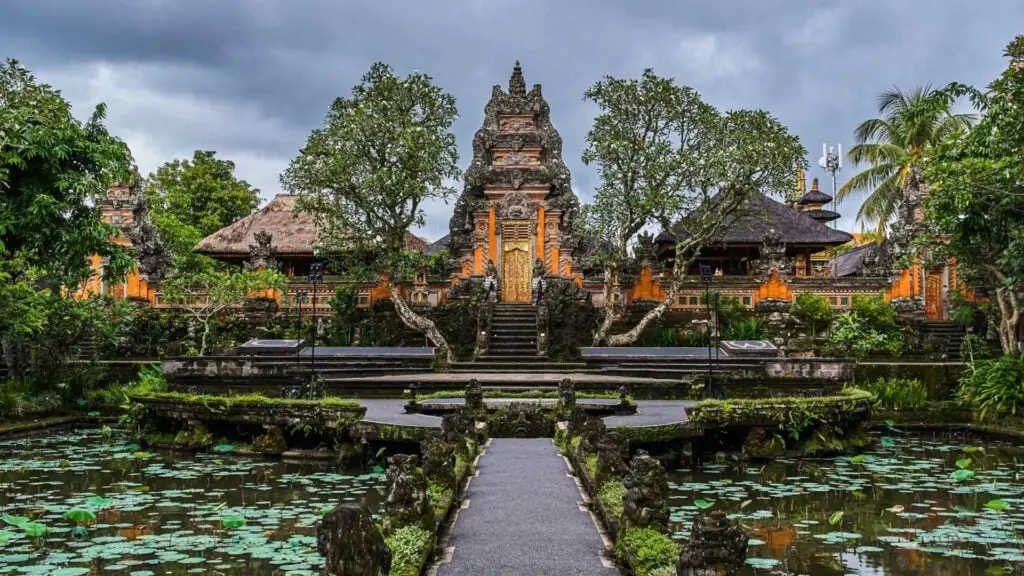
Right in the heart of Ubud, Puri Saren Agung, better known as Ubud Palace, is a historic royal compound dating back to the late 19th century.
Once the residence of Ubud’s ruling family, the palace remains an emblem of traditional Balinese architecture, with ornately carved gates, elegant courtyards, and intricate stone reliefs that transport visitors to a bygone era.
By day, the palace offers a glimpse into Bali’s royal past, but by night it transforms into a cultural stage. From 7:30 pm every evening, the palace hosts classical dance performances such as Legong, Barong, and Ramayana, accompanied by live gamelan orchestras.
The intimate courtyard setting makes these shows particularly atmospheric, bringing myths and legends to life under the stars. Check this for more information about Ubud Palace
Why visit: Beyond its historical value, the palace is a cultural hub where nightly Legong and Barong dance performances bring Balinese myths to life. The intimate setting makes it one of the best places to experience classical dance.
Tips: Daytime courtyard entry is free. Performances start 7:30 pm; typical ticket IDR 100,000 (~USD 5.99 / AUD 9.06). Arrive early for front-row seating. While there is no strict dress code, modest attire is encouraged; sarongs are available for purchase nearby at Ubud Art Market (around IDR 70,000 / USD 4.19 / AUD 6.34).
Want to explore deeper? Check out our full guide to Ubud’s cultural highlights.
Peliatan Royal Palace (Puri Agung Peliatan)
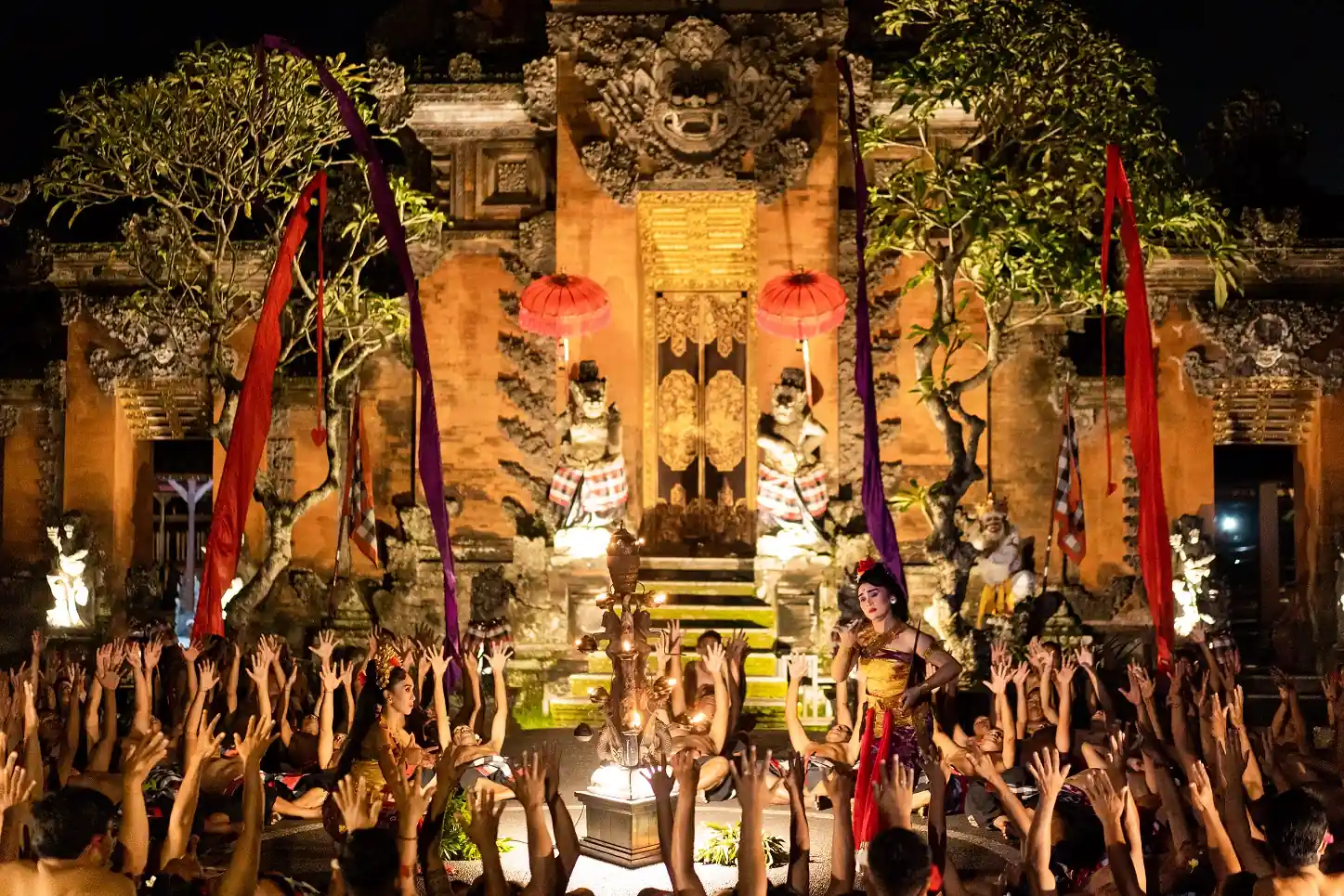
Just a short drive from Ubud Palace, Peliatan Royal Palace (Puri Agung Peliatan) is less known to casual visitors but holds equal cultural weight. Dating back to the 16th century, the palace has long been a center for gamelan music and Legong dance, playing a vital role in preserving Bali’s performance arts.
It is closely tied to the renowned Gunung Sari troupe, whose performances are considered among the most refined in the island.
Visitors to Peliatan often enjoy a more intimate and interactive experience. On certain occasions, members of the royal family welcome guests, share insights into history, and even dress them in traditional attire.
The palace’s graceful architecture, tranquil gardens, and smaller crowds create an atmosphere that feels both personal and authentic.
Why visit: Dance performances here are known for their authenticity and refinement, often considered among the finest in Bali. Attending one gives you a true sense of Balinese artistry.
Tips: Grounds are typically free by day; show tickets ~IDR 100,000 (~USD 5.99 / AUD 9.06), varying by program. Check local schedules, dress modestly, and note some areas may be restricted during ceremonies.
Tabanan Anom Palace (Puri Anom, Tabanan)
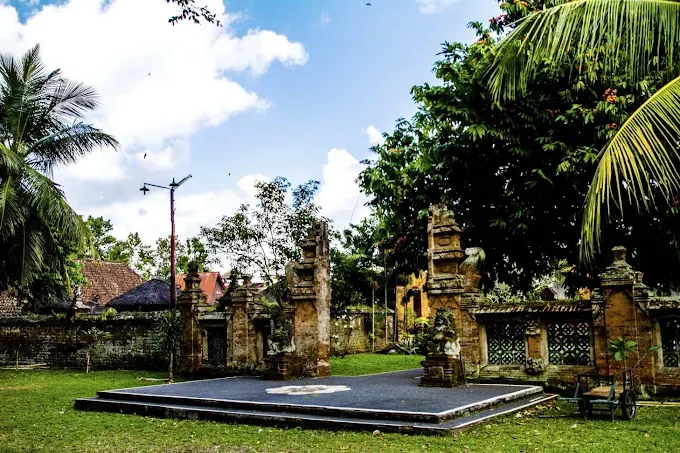
Located in Tabanan Regency, the Anom Palace remains closely tied to the descendants of Bali’s royal families. While not as widely visited as Ubud or Peliatan, the palace grounds and shrines provide insight into Bali’s lesser-known royal history.
Why visit: The palace is still active in cultural life, hosting occasional ceremonies and festivals. It feels authentic and untouched by mass tourism, making it a rewarding stop for history enthusiasts.
Tips: Visits are best arranged with a local guide, as access may depend on family availability. Donations are appreciated. Pair with a visit to Tabanan’s rice terraces for a full-day cultural trip.
Taman Wisata Kertha Gosa
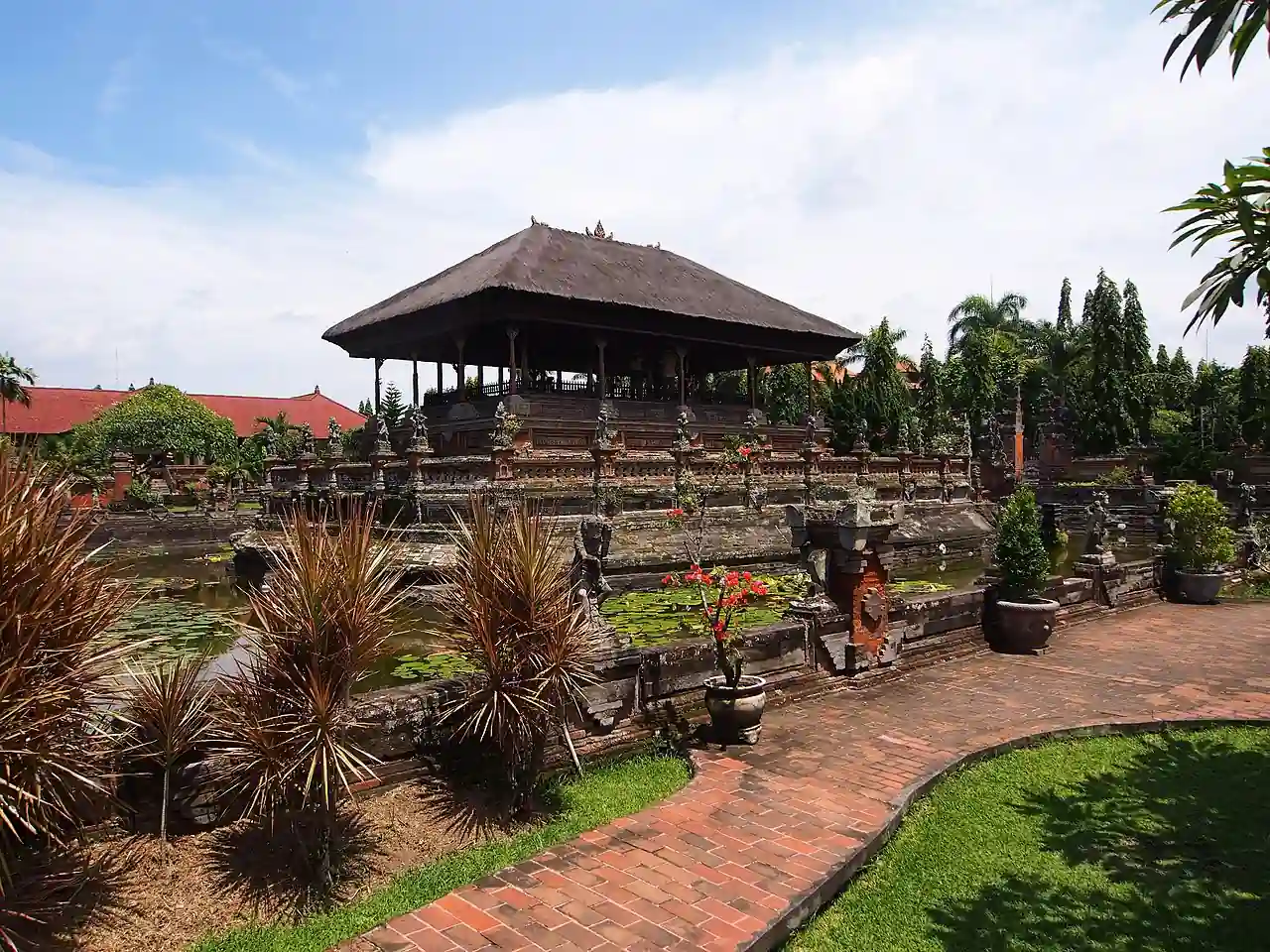
Located in Klungkung, Kertha Gosa Pavilion once served as the royal court of justice for the kingdom. Built in the late 17th to early 18th century under Dewa Agung Jambe I, the pavilion is part of the former Klungkung Palace complex and follows the sanga mandala layout of nine interconnected courtyards.
The name itself comes from Sanskrit: Kerta means “result” or “prosperity,” while Gosita refers to “discussion” — a fitting title for a place where judgments were rendered.
The pavilion is world-famous for its Kamasan-style ceiling murals, intricate paintings that narrate Hindu epics, moral lessons, and Balinese legal traditions. These works not only display artistic mastery but also reflect the ethical and spiritual guidance once imparted to those on trial.
Why visit: The murals are strikingly detailed and considered a masterpiece of Balinese storytelling art. A visit here offers both visual beauty and cultural depth.
Tips: Entry: IDR 50,000 adults / IDR 25,000 children (~USD 3/1.50; AUD 4.53/2.27). Pair with the adjacent palace ruins. Mornings are calmer; bring a hat, courtyards can be sunny.
Tenganan Ancient Village
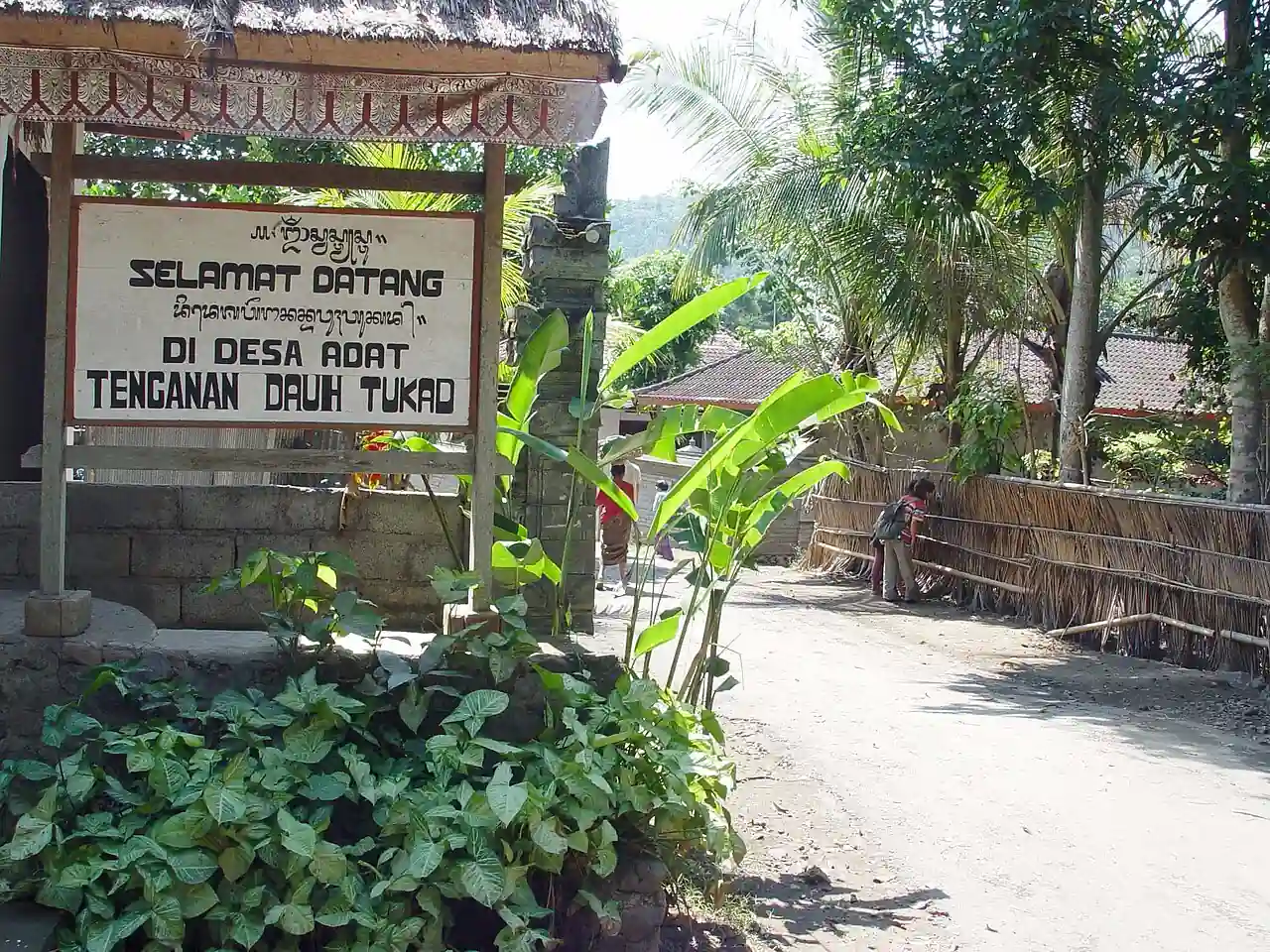
Hidden in East Bali’s Karangasem regency, Tenganan Pegringsingan is one of the island’s original Bali Aga villages, where many pre-Hindu traditions remain intact.
Known in Balinese script as ᬢᭂᬗᬦᬦ᭄ᬧᭂᬕ᭄ᬭᬶᬗ᭄ᬲᬶᬗᬦ᭄, the village is world-famous for its rare double ikat weaving (geringsing), produced in only three places on Earth. Equally unique is its selonding gamelan, an ancient iron percussion ensemble found only in Bali Aga communities.
Before the 1970s, Tenganan was considered one of Indonesia’s most secluded societies, bound by strict endogamic (marry-within) rules. Tourism and modernization have brought change, but the community still preserves its traditional architecture and communal life.
Homes line a central stone-paved concourse, with narrow doors symbolizing humility. At the center stands the balé agung (great hall), where village decisions are made, alongside the kul-kul drum tower, which is still beaten 21 times each morning to mark the day’s beginning.
Why visit: Walking through Tenganan feels like stepping back in time. Visitors can observe weaving, traditional house structures, and festivals such as the Mekare-kare pandanus war ritual.
Tips: Entry is donation-based. Photography is welcome but always be respectful, remain on public paths and ask before entering private compounds Festival periods are busy, so arrive early to experience the village at its most peaceful.
Trunyan Village
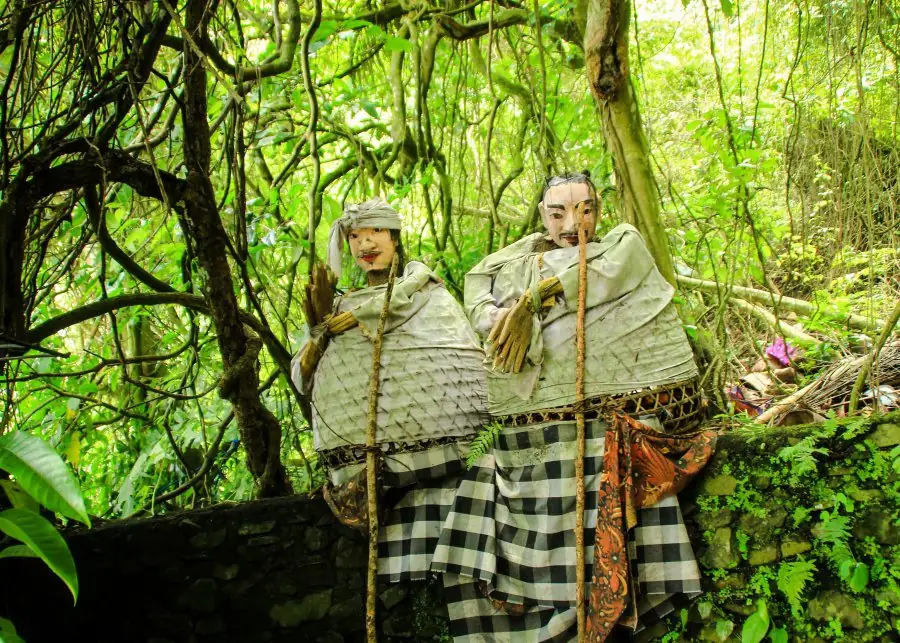
On the eastern shore of Lake Batur, Trunyan is one of Bali’s most extraordinary Bali Aga villages. Best known for its unusual mortuary practice called Mepasah.
Unlike most Balinese Hindus who cremate or bury their dead, the Trunyan community lays bodies on the ground beneath a sacred Taru Menyan tree. Remarkably, the tree emits a natural fragrance that neutralizes odor, leaving the atmosphere serene despite the presence of human remains.
The village’s origins are steeped in legend. According to Javanese chronicles, a royal family once followed an irresistible perfume to Bali, where they discovered the Taru Menyan tree on the shores of Lake Batur. The settlement that grew here became known as Trunyan, taking its name from this mystical “fragrant tree.”
Why visit: For those interested in cultural anthropology, Trunyan offers a rare and haunting glimpse into ancient traditions that survive outside mainstream Hindu practice. Visitors can see skulls and relics arranged respectfully in cemeteries such as Sema Wayah, where only those who meet strict criteria are placed under the Taru Menyan tree.
Tips: Trunyan is accessible only by boat from Kedisan or Songan. Costs vary depending on the operator — expect IDR 300,000–600,000 per boat (~USD 18–36 / AUD 27.2–54.4) plus small site donations. Always go with a knowledgeable guide, both for context and to ensure respectful behavior. Photography should be discreet, and sensitivity is paramount in this sacred space.
Penglipuran Village & Temple
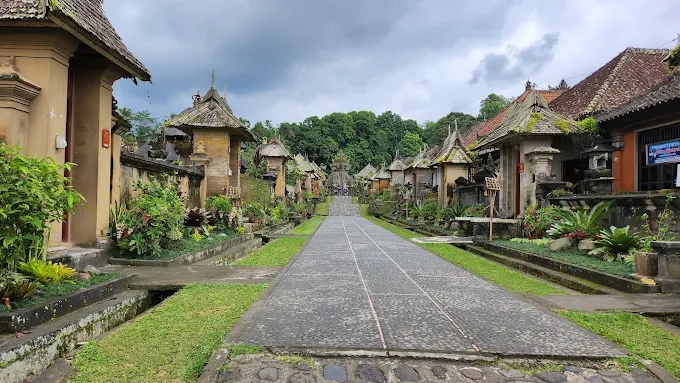
Nestled in Bangli Regency, Penglipuran is one of Bali’s most celebrated traditional villages, renowned for its harmonious layout and immaculate upkeep. Lined with neatly arranged family compounds, stone-paved lanes, and bamboo forests on its edges, the village feels like stepping into a living showcase of Balinese culture.
The community here continues to uphold Tri Hita Karana, the Balinese philosophy of balance between humans, nature, and the divine. Architecture, land management, and daily rituals all reflect this principle.
Penglipuran has earned recognition as one of the cleanest villages in the world, winning multiple awards including the ISTA (Indonesia Sustainable Tourism Award) in 2017 and a spot in the Sustainable Destinations Top 100 list.
Why visit: A walk through Penglipuran offers more than pretty scenery; it’s a chance to experience living tradition where cultural integrity is maintained in everyday life. The village temple complex mirrors the same sense of harmony, and the surrounding bamboo forest adds a natural dimension to the visit.
Tips: Entry: IDR 50,000 adults / 30,000 children (~USD 3/1.8; AUD 4.5/2.7). Cars are not allowed inside, making it a peaceful place for walking. Arrive early for a quieter atmosphere. Don’t miss the Bamboo Forest at the far end, where you can enjoy a meal at the jungle-style restaurant before taking the complimentary shuttle back to the entrance.
Sidemen Village
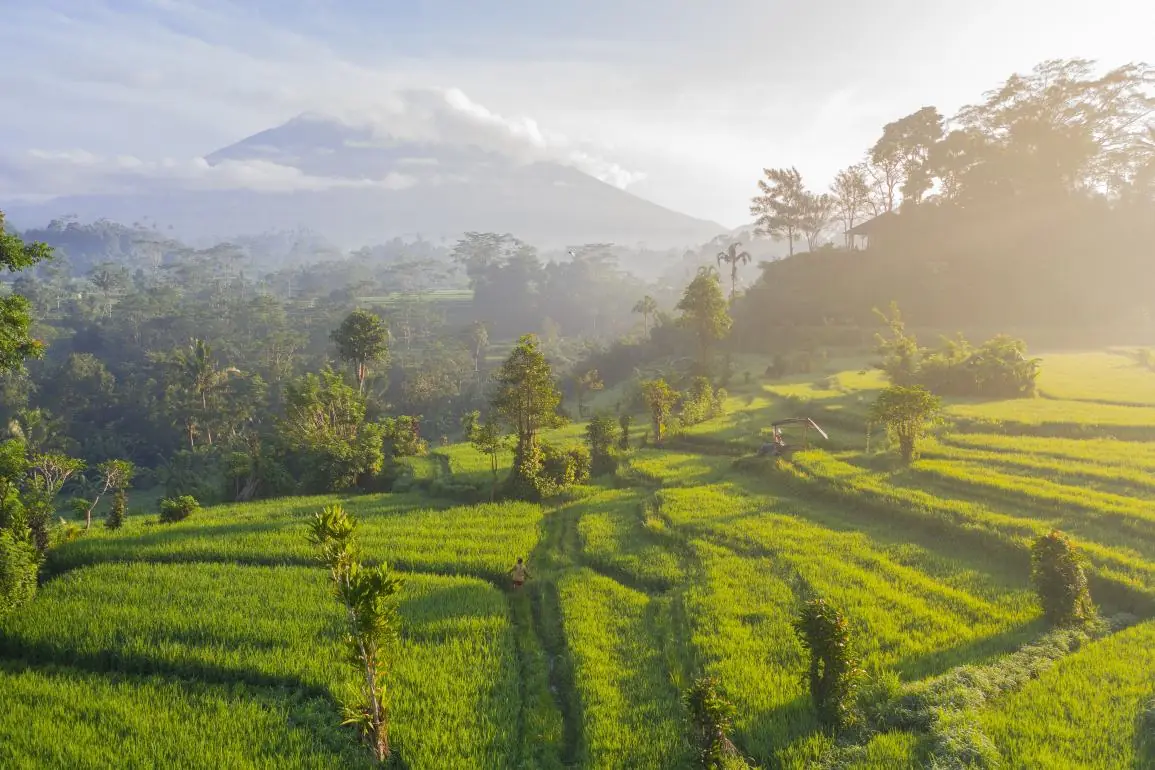
Sidemen Valley, east of Ubud, is a stunning landscape of rice terraces, rivers, temples, and traditional workshops. Known for its weaving heritage and fertile farmland, the valley offers a slower, more authentic pace of life compared to Bali’s busy tourist hubs.
Its proximity to Mount Agung also gives it unique weather patterns, with the terraces glowing brightest during the wet season before harvest.
For photographers, Sidemen is one of Bali’s most dramatic backdrops. A highlight is Lahangan Sweet, an hour away, where bamboo platforms frame sweeping views of Mount Agung. Sunrise brings clear skies and soft colors, while sunset silhouettes the volcano in golden light. Entry is about IDR 20,000 (~USD 1.20 / AUD 1.8).
Why visit: Sidemen is ideal for travelers seeking immersion in authentic Balinese life. You can join weaving workshops, hike through rice paddies with local guides, dip into rivers, or observe small village ceremonies, all while surrounded by spectacular natural beauty.
Tips: Entry to Sidemen itself is free, though tours and workshops may have small fees. The valley is best experienced with an overnight stay, allowing you to catch the sunrise mist rolling over the fields. Bring light rain gear if visiting in the wet season.
Pura Kehen
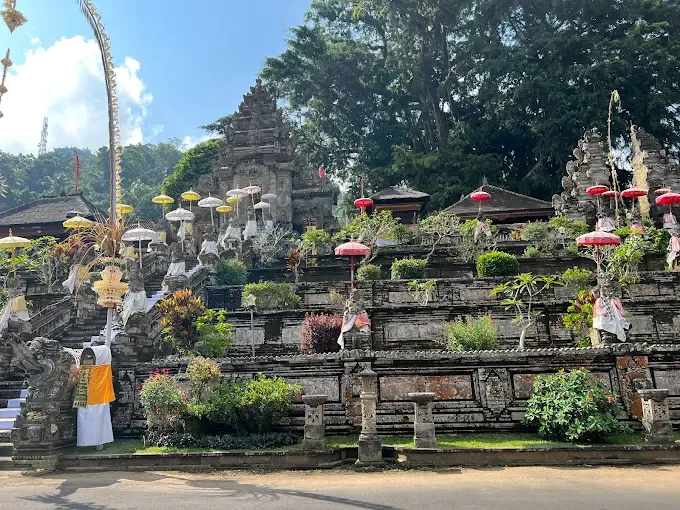
Located near Bangli, Pura Kehen is one of Bali’s most striking temples, dating back to the 13th century. The temple sits on the southern slopes of Bangli Hill, about 43 km from Denpasar, 20 km from Ubud, and just 3 km from Penglipuran Village, making it easy to combine with nearby cultural stops.
Visitors ascend a dramatic staircase flanked by stone statues before entering shaded courtyards where giant banyan trees shelter intricately carved shrines and multi-tiered meru towers.
Historical inscriptions preserved within Pura Kehen identify it as one of Bali’s oldest temples, tied to early royal dynasties and religious ceremonies that remain central to the community today.
Its architectural grandeur and tranquil mountain setting have earned it the nickname “mini Besakih,” offering a similar sense of majesty with far fewer crowds.
Why visit: Pura Kehen combines impressive scale with intimacy. The carvings, cool highland air, and banyan-draped courtyards create an atmosphere ideal for reflection. On festival days such as Galungan, the temple comes alive with offerings, music, and vibrant processions.
Tips: Entry: IDR 50,000 (~USD 3 / AUD 4.53), with sarong rental often included. Children are sometimes free. The temple is inland, so it’s generally cooler than coastal sites, comfortable for walking. Dress modestly and allow at least an hour to explore. Visit during morning hours for softer light and fewer crowds.
Yeh Pulu Temple
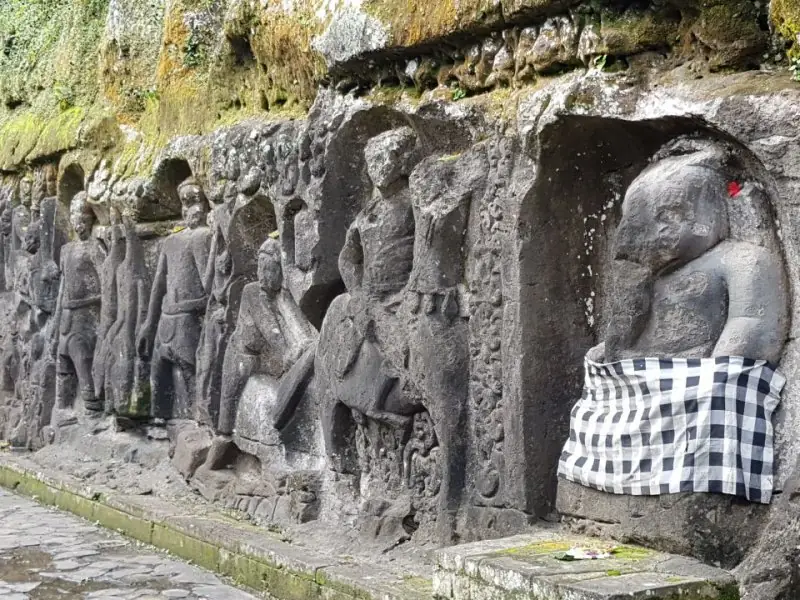
Tucked away in the village of Bedulu, just a short drive from Ubud, Yeh Pulu Temple is one of Bali’s quieter archaeological treasures. Dating back to the 14th century, this intimate site is best known for its 25-meter-long rock relief carved directly into a cliff face.
The carvings depict scenes from everyday Balinese life, farmers guiding their buffalo, hunters in the forest, and even mythological touches woven into the narrative. Unlike many temples that focus purely on divine iconography, Yeh Pulu offers a rare window into the lives of ancient Balinese people.
The temple’s name, “Yeh Pulu,” comes from the Balinese words for “water” (yeh) and “stone vessel” (pulu). Referencing the nearby sacred spring where locals still come to pray and collect holy water. The blend of natural elements, human history, and spirituality gives the temple an atmosphere that feels both grounded and mystical.
Why visit: Yeh Pulu is ideal for travelers seeking a more authentic, off-the-beaten-path experience. The reliefs are a masterpiece of storytelling in stone, and the surrounding jungle paths and rice fields create a serene setting. With far fewer visitors than Ubud’s main temples, it’s easy to take your time here, absorbing both the artistry and the tranquility.
Tips: Entrance is by donation (typically IDR 20,000–30,000 / ~USD 1.2–1.8 / AUD 1.8–2.7). Local caretakers are usually present and often act as informal guides, sharing stories and pointing out details in the reliefs. The site is shaded, making it comfortable even in the heat of the day. Combine a visit with the nearby Goa Gajah (Elephant Cave) for a half-day cultural trip.
Tebing Tegallingah Temple
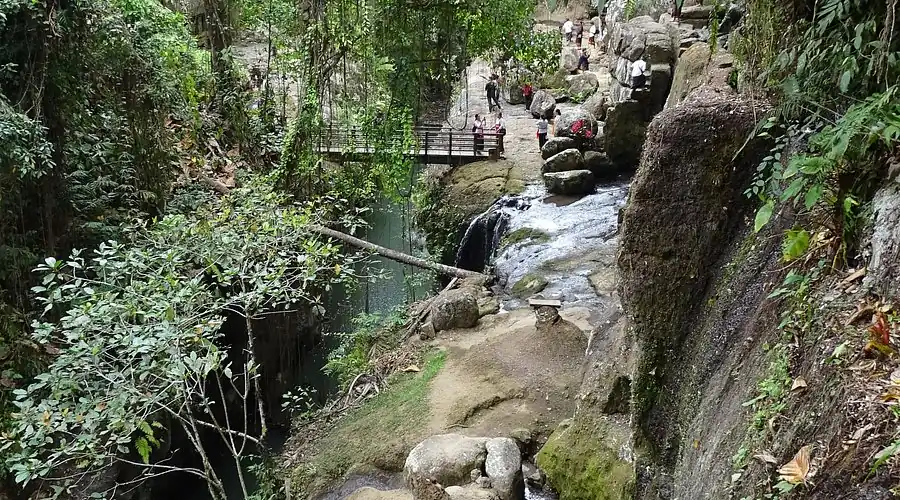
Nestled deep within Gianyar Regency, Tebing Tegallingah Temple remains one of Bali’s most secluded and mystical spiritual sites. Set against a dramatic cliff face and surrounded by dense jungle, the temple is framed by cascading waterfalls, mossy stone walls, and natural caves, creating an almost otherworldly atmosphere.
Unlike more prominent temples that draw large crowds, Tegallingah feels untouched, a place where nature and spirituality exist in quiet harmony.
Reaching the temple requires navigating winding forest trails, where the sound of rushing water and birdsong accompanies each step. The path eventually opens to the cliffside shrines and sacred spaces where local villagers continue to pray and leave offerings.
For those attuned to Bali’s spiritual rhythm, the temple offers a rare chance to experience solitude and meditation in a setting that feels hidden from time.
Why visit: Perfect for travelers who crave authentic, off-the-grid exploration. Its combination of jungle, cliffs, and sacred spaces offers an atmosphere of deep reflection and mystery. Photographers and spiritual seekers alike will find it one of the most enchanting spots in Gianyar.
Tips: The trails can be steep and slippery after rain, so sturdy shoes are essential. Entry is generally by donation (IDR 20,000–30,000 / ~USD 1.50–2 / AUD 2–3). A local guide is recommended to ensure safe access and to help explain the temple’s rituals and significance. Plan your visit in the morning or late afternoon when the light filters beautifully through the trees.
Bajra Sandhi Monument (Denpasar)
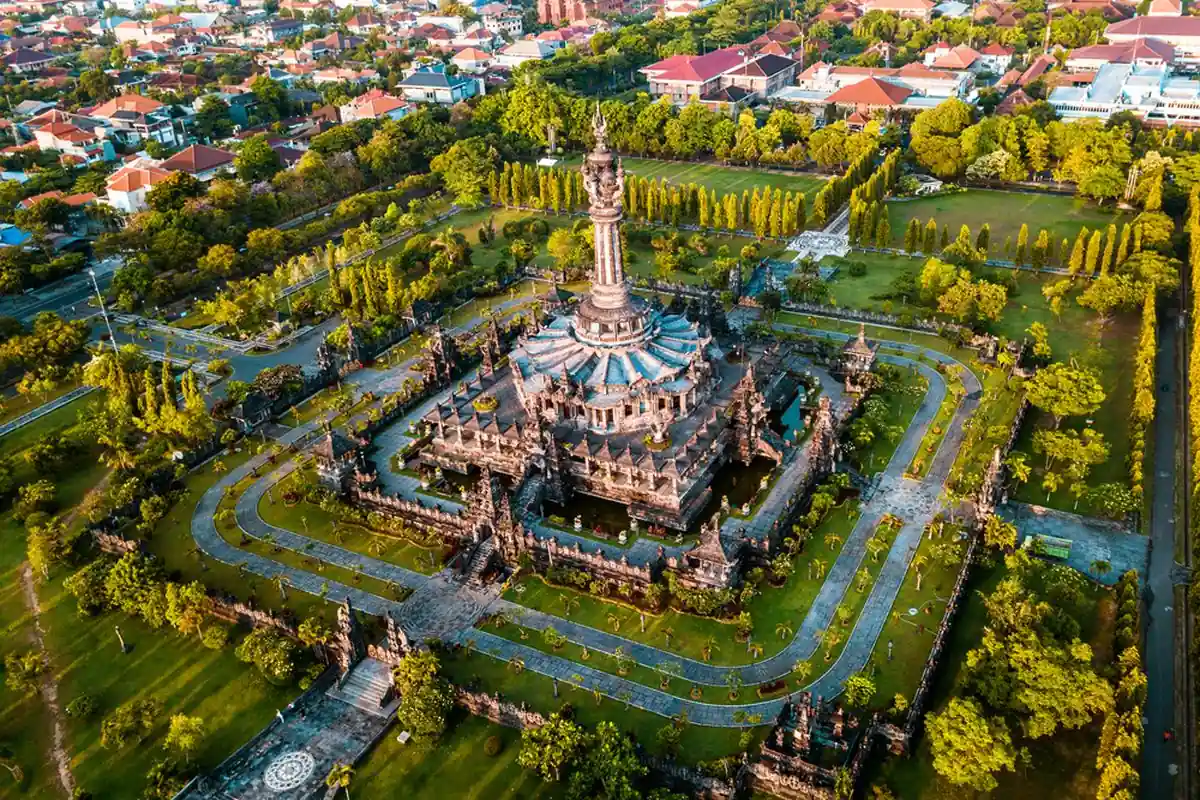
The Bajra Sandhi Monument, rising in Denpasar’s Puputan Renon Square, is one of Bali’s most significant modern landmarks. Built in 1987 and inaugurated in 2003, it commemorates the Balinese struggle against colonialism and honors generations who defended the island’s identity and spirituality.
Its design, shaped like a bajra (a Hindu priest’s bell), follows the principles of Tri Mandala and Tri Loka, symbolizing harmony between the physical, spiritual, and cosmic realms.
Inside, visitors discover 33 dioramas depicting Bali’s journey through history, from ancient kingdoms and the arrival of Hinduism to colonial resistance and independence. The upper floor features a meditation hall and an observation deck, offering sweeping views of Denpasar and the surrounding coastline.
With its volcanic stone carvings and mandala-inspired architecture, the monument feels timeless, blending tradition with modern commemoration.
Why visit: Bajra Sandhi is more than just a monument, it’s a cultural education center and a place of reflection. It offers a comprehensive journey through Balinese history, making it a must for travelers who want to understand the island beyond its beaches and temples. Its location in Renon also makes it a great stop to combine with local food markets or a stroll in the square.
Tips: Entry is IDR 25,000 (~USD 1.5 / AUD 2.27). The monument is open daily, usually from 8:30 AM to 5 PM. Arrive in the late afternoon to avoid the midday heat and enjoy the sunset glow from the top floor. The surrounding park is a popular spot for locals jogging or picnicking, so it’s a chance to observe everyday Balinese life too.
FAQs About Traditional Tourist Sites in Bali
What are some hidden traditional places in Bali worth visiting?
Trunyan Village, Tebing Tegallingah Temple, and Mengening Temple are less frequented yet offer some of the island’s most authentic cultural encounters.
Why is Bali known for its traditional culture?
Bali’s Hindu traditions, unique to the island, are woven into daily life, from offerings placed at doorsteps to grand temple festivals. Its temples, palaces, and villages preserve practices that date back over a thousand years.
What are the most beautiful traditional sites in Bali?
Pura Besakih for its grandeur, Tirta Gangga for its charm, and Gunung Kawi for its mystical setting are often considered the most breathtaking.
Can tourists participate in Balinese ceremonies?
Yes, with respect. Many temples welcome visitors during festivals, but modest dress and humble behavior are essential. Guides can help explain rituals and ensure respectful participation.
Why Traditional Cultural Sites Complete Your Bali Journey
Bali’s magic is found not only in its beaches but in the timeless rhythm of its traditions. From sacred water temples and royal palaces to ancient villages, the island’s cultural sites are windows into a living heritage.
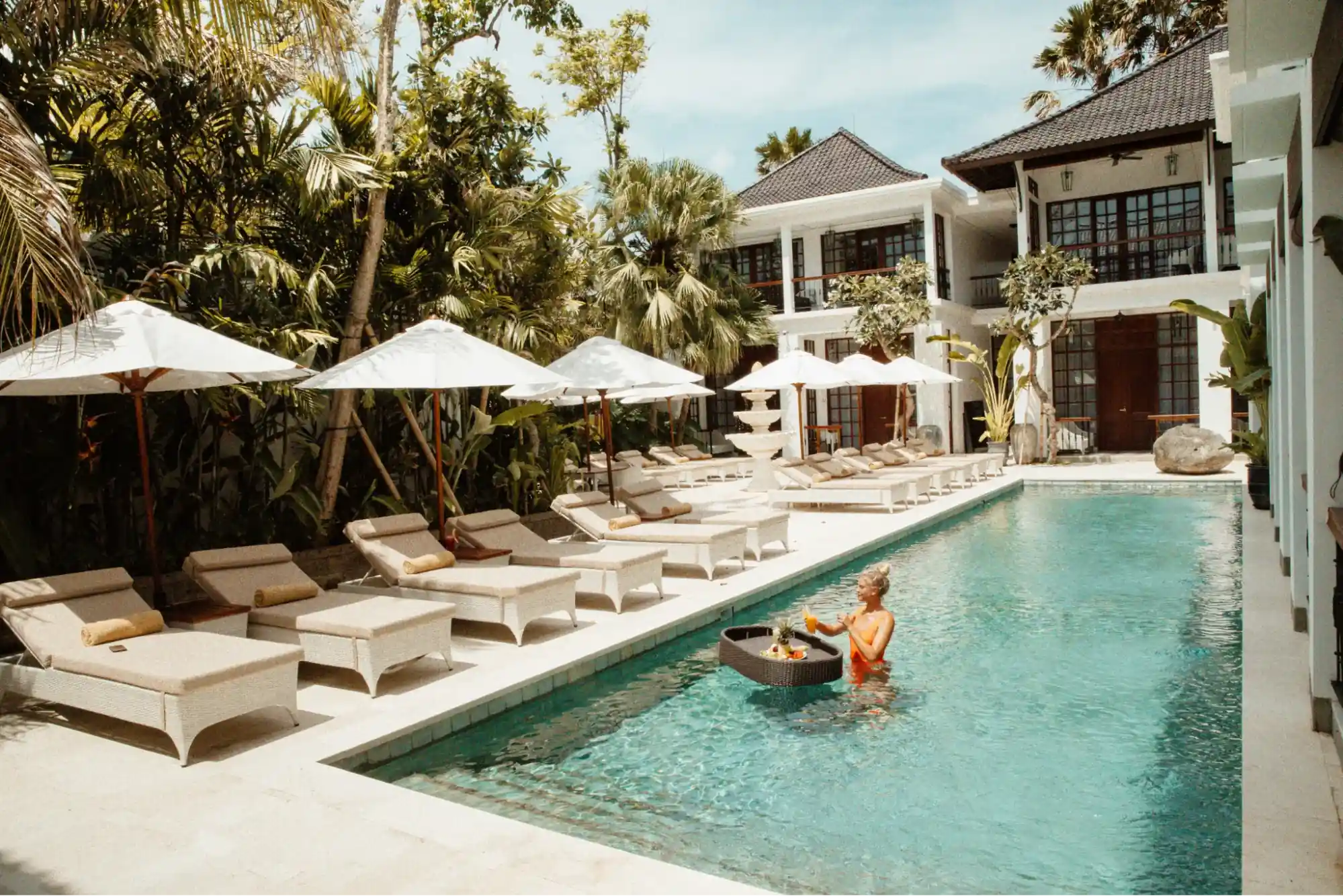
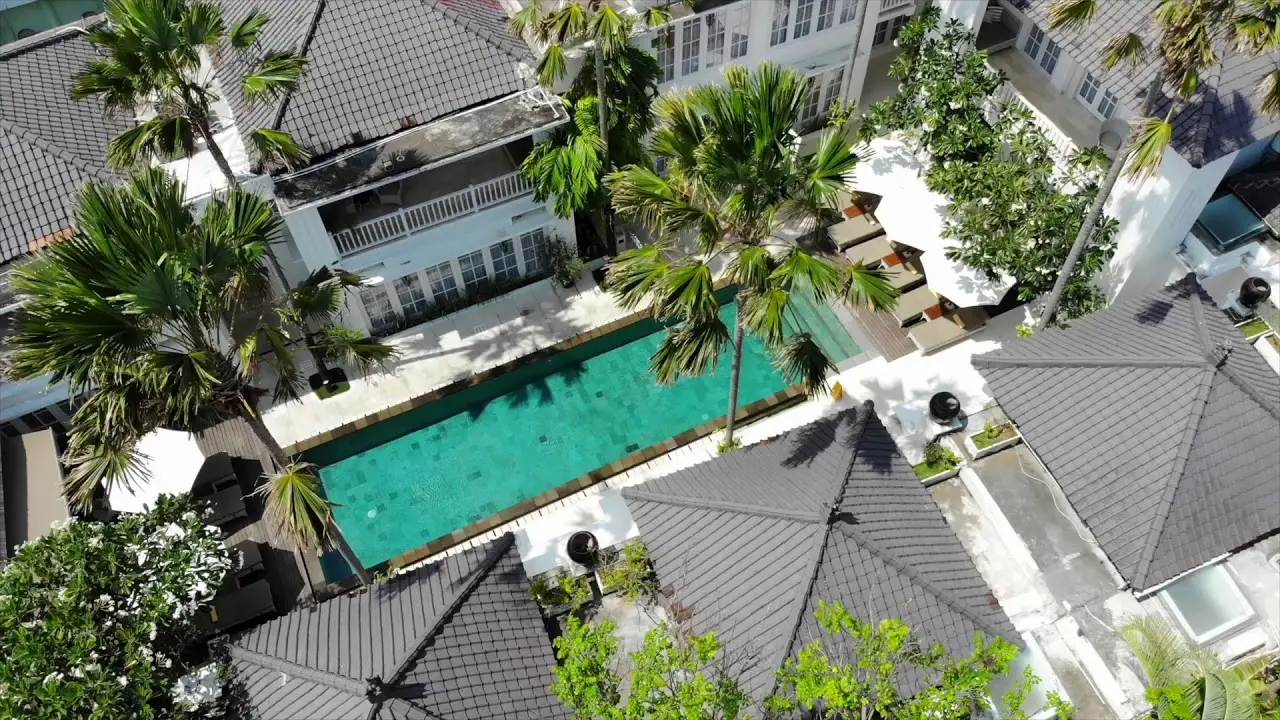
After a day of discovery, retreat to The Colony Hotel Bali, a boutique hotel in the heart of Seminyak. Here, elegant design and serene spaces create the perfect contrast to Bali’s vibrant cultural adventures.
Whether relaxing by the pool or stepping out to explore Seminyak’s dining and nightlife, The Colony Hotel offers a sanctuary where modern luxury and Balinese charm meet.