7th, July 2025
Boutique Living
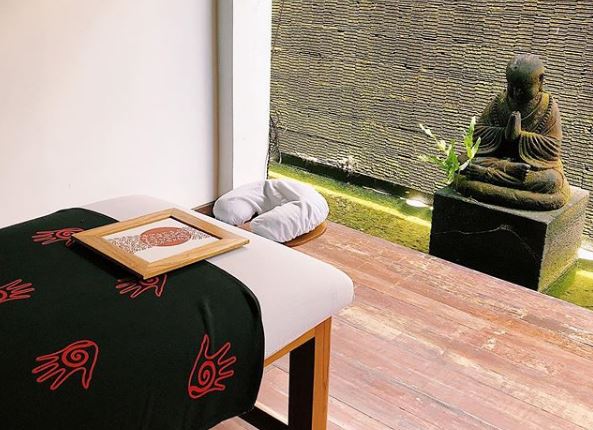
Balinese massage is not just a treatment; it’s a ritual, an immersive journey that touches body, mind, and spirit.
Drawing upon centuries of healing tradition from India, China, and Southeast Asia, Balinese massage is a full‑body therapy that restores harmony within and around you.
If you’ve ever felt frazzled, out of sync, or simply in need of restoration, this style of massage might be exactly what you need.
What Is Balinese Massage?
Balinese massage is a traditional Indonesian massage style originating from Bali. It is influenced by multiple ancient healing systems, chiefly Indian (especially Ayurveda), Chinese traditional medicine, and Southeast Asian (Thai and local Balinese) practices.
Its aim is not just to relieve physical muscle tension but to restore energy flow, reduce stress, and balance both body and mind. It uses a blend of manual therapy, aromatic oils, and ritual/atmospheric components.
Origins & History
- The roots of Balinese massage go back centuries on Bali, with indigenous healers (often called balians) with techniques passed down orally through generations.
- With trade, migration, and religious influence, the practices absorbed Ayurvedic ideas from India (use of oils, energy/dosha balancing), Chinese ideas (acupressure, meridian theories, reflexology), as well as practices common in neighboring Southeast Asia (stretching, rhythmic flow)
- It began to be documented more formally during colonial times (e.g. Dutch doctors in 1930s) and has since become part of the wellness tourism offering in Bali and globally.

What Happens in a Typical Balinese Massage Session?
Curious about what a full Balinese massage experience feels like? Let us guide you through each step of this deeply relaxing and restorative journey.
1. Preparation & Atmosphere
The experience begins the moment you enter the room. Soft light filters through, the air scented with the delicate aroma of essential oils: perhaps coconut or the sweet, exotic notes of frangipani and ylang-ylang. Calming music hums in the background, sometimes accompanied by the faint trace of incense or the quiet offering of flowers.
In some traditional settings, the therapist might begin with a brief ritual or whispered prayer, a gesture of intention that transforms the space into something sacred, inviting you to let go.
2. The Beginning: Warming the Body
Your journey starts with gentle, flowing strokes that glide across the skin: smooth, rhythmic movements that warm the muscles and ease you into stillness. The therapist’s hands spread the oil in long, continuous motions, preparing your body to receive deeper healing.
3. Deep Work & Release
-
- Kneading, rubbing, compression: As your muscles soften, the strokes deepen. Firm kneading, soothing compressions, and slow, deliberate pressure begin to dissolve the knots of tension that daily life leaves behind. You may feel your body sigh with relief as each muscle surrenders.
- Skin rolling: The therapist might lift and roll the skin in gentle waves, a traditional technique that loosens fascia and restores natural fluidity.
- Acupressure / pressure‑point stimulation: Then comes acupressure: firm yet mindful pressure placed at precise points, stimulating energy pathways and rebalancing your inner flow.
- Stretching & gentle mobilization: At times, subtle stretches are woven into the rhythm (inspired by Thai massage) helping to lengthen tight muscles and open stiff joints, creating a feeling of freedom and space within.
4. Finishing Strokes
Gradually, the intensity softens. The final strokes are light and soothing, almost meditative. They bring the body and mind back into harmony, sealing in the calm and grounding you gently after the deep work.
5. Aftercare
When the session ends, you’re invited to rest, to linger in the quiet glow of serenity. A cup of herbal tea or cool water helps reawaken your senses. Therapists often recommend keeping warm, eating lightly, and allowing your body to absorb the benefits for the rest of the day.
You leave feeling both grounded and uplifted, as something within you has been reset, balanced, and renewed.
Also read: The Best Places for Massages in Bali: Our Top Spa Picks
Key Techniques & “How It Feels”
Here are some signature techniques, and how you might feel during each:
| Technique | What It Involves | How It Feels Like |
| Long flowing strokes (“stroking”) | Slow, continuous gliding over skin with oil, often using whole hand or forearm. | Warming, soothing; helps settle into space; gentle but tells the body: this is not “just massage for show.” |
| Kneading / compressive pressure | Press‑and‑release motions, squeezes, working into muscles/tissues. | Might feel strong; perhaps some discomfort (as tension is released), but should not be painful. If pressure feels too strong, just tell your therapist to adjust |
| Skin rolling / fascia‑work | Lifting or pinching skin/fat, rolling between fingers to loosen connective tissue. | Slight tugging; after a while often a feeling of looseness or openness. |
| Pressure points / acupressure | Firm pressure with fingers or thumbs on specific spots (meridians), maybe holding a point. | Sharp or deep at first, then release; often brings waves of relief. |
| Gentle stretching / passive mobilization | Therapist moves limbs or stretches joints gently. | Can feel mild pull; often increases awareness of flexibility and relief in stiffness. |
Benefits of Balinese Massage
Balinese massage offers a broad range of physical, mental, emotional, and even spiritual benefits.
- Stress & anxiety reduction: Soothing touch, rhythmic strokes, aromatherapy help lower cortisol and shift the body into a parasympathetic “rest” state.
- Muscle tension & pain relief: Particularly in shoulders, back, neck; helps with stiff muscles
- Improved circulation & lymph flow: Helps oxygen & nutrients reach tissues; helps flush toxins.
- Improved flexibility & mobility: Because of the stretching and fascia work.
- Better sleep: After relaxation; helps calm the mind.
- Skin health: Oils nourish; massage stimulates skin and sub‐dermal tissues; may help with tone and texture.
- Mental clarity & emotional wellness: Some people report mood uplift, reduced headache/migraine, less anxiety.
Who Is It Good For / Contraindications
It’s powerful, but not for everyone or every situation. Always disclose to the therapist any medical condition.
Good for:
- People under stress, poor sleep, anxiety.
- Tense muscles, post‐travel fatigue, sitting for long hours.
- Wanting flexibility, soothing spa or wellness experiences.
Contraindications / Cautions:
- Fresh fractures, open wounds, burns.
- Active infection (viral or bacterial), skin disease in areas to be massaged.
- Circulatory disorders (uncontrolled hypertension, thrombosis), sometimes pregnancy (depending on stage and therapist).
- Tumors, certain chronic diseases: check with a medical professional.
Frequently Asked Questions About Balinese Massage
What is the difference between a Balinese massage and a regular massage?
A Balinese massage is more holistic compared to a regular or Swedish-style massage. While a regular massage focuses mainly on relaxing the muscles through gentle strokes and kneading, a Balinese massage blends multiple techniques like deep tissue work, acupressure, stretching, and aromatherapy.
It’s not just about physical relaxation, it’s also designed to restore emotional balance and energy flow throughout the body. The use of essential oils and calming rituals, like music and incense, also makes the experience feel more immersive and spiritually grounded.
How do I choose the right Balinese massage style / spa?
Look for: good reviews (cleanliness, therapist skill, safety), licensed therapists, quality of oils, comfort with the environment (quiet, scent, music), transparency about what will be done (pressure, areas). If you have health concerns, find a spa that is open about contraindications and safety.
What if the massage feels too strong or hurts?
Tell the therapist. Balinese massage can include stronger pressure, but pain beyond a comfortable “release” is not good. Pressure should be adjusted. Communication is key.
Can I do Balinese massage when pregnant or breastfeeding?
Some spas offer pregnancy massages; they adapt the technique, oil, and pressure. But many traditional deep pressure or acupressure points might be avoided. Always disclose pregnancy, choose a therapist with experience. Breastfeeding per se is less of an issue, but comfort and safety of both mother and child should be considered (oil safety, modest draping, etc.).
What to expect after the massage when I go home?
You may feel:
- Thirsty (because massage stimulates circulation and lymphatics), so drink water.
- Slight soreness where there was deep work.
- Sleepiness or lightheadedness (especially if relaxed deeply).
- Emotional reactions (release, sometimes mood shifts).
Take it easy for the rest of the day, avoid strenuous exercise, avoid cold exposure or heavy tasks.

Final Thoughts: A Balinese Massage Experience, Just Steps from Your Room
At The Colony Hotel Bali, we believe true luxury lies in how you feel, and our in-house Balinese massage experience is designed to help you feel completely at ease.
Blending centuries of tradition with the calm elegance of our private spa space, each massage is more than just a treatment, it’s a moment of reconnection.
Whether you’re looking to unwind after your journey, escape daily stress, or simply enjoy a deeper sense of balance, our skilled therapists are here to guide you into relaxation from the moment you arrive.
Why not make it part of your stay?
Book your room directly through our website and explore our special offers, including complimentary Balinese massage treatments with select packages.