15th, August 2026
Travel Guide
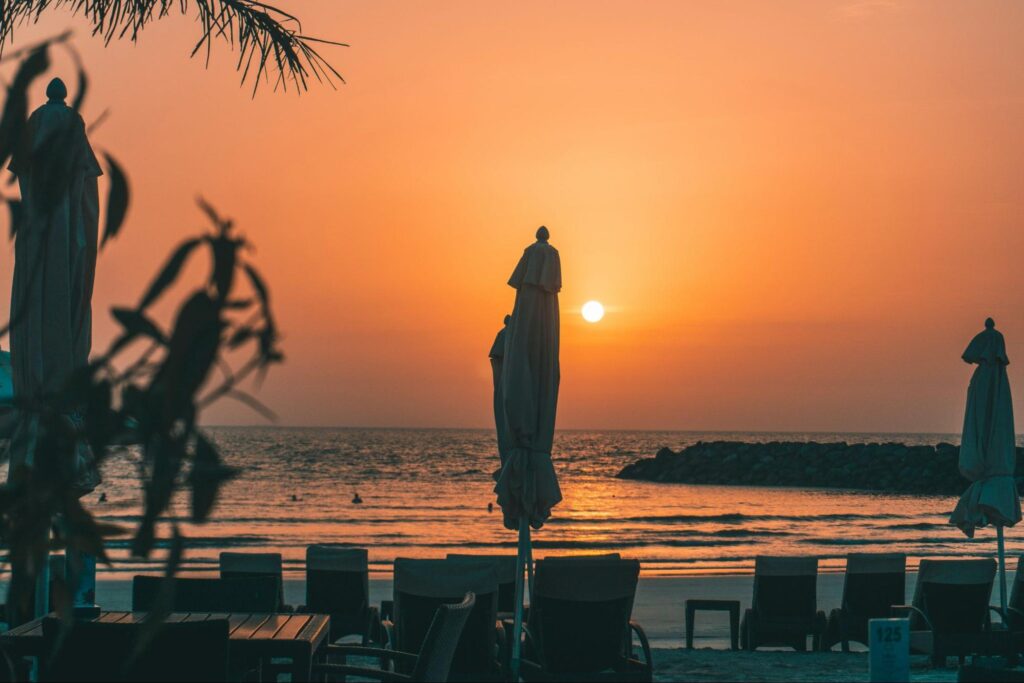
Seminyak is worth visiting year-round. That’s true, and also slightly misleading, because the experience varies more between seasons than most booking platforms suggest. The same hotel, the same street, the same beach club looks and feels substantially different in August versus February.
The difference isn’t just the weather. It’s accommodation price, crowd density, whether you can walk into a restaurant without a reservation, how long it takes to get a sunlounger, and how the day flows when you’re not working around everyone else’s itinerary. Understanding those differences is what lets you make a genuine decision about when to go, not just when the weather is best, but when Seminyak suits how you actually want to travel.
Here’s an honest breakdown across all three seasons, with specific dates, real pricing, and what it actually feels like to be there.
Seminyak’s Three Seasons at a Glance
Seminyak doesn’t operate on a simple wet/dry binary. In practice, there are three distinct seasons, each with a meaningfully different character:
High season: July–August and December 20–January 5. Peak demand, peak prices, peak crowds. The best weather of the year, and the most competition for every table, sunlounger, and room.
Shoulder season: May–June and September–October. Dry conditions nearly identical to high season, with lower accommodation rates and manageable crowds. The window most returning visitors have figured out.
Low season: November and January–March. Rainy season. Fewest visitors, lowest rates, a slower and more spontaneous version of the neighbourhood.
One Seminyak-specific caveat worth noting: because this is the most visited part of south Bali, seasonal swings hit harder here than in quieter areas like Sanur or Candidasa. High season in Seminyak is genuinely busy in a way that changes how you move through the day.
High Season in Seminyak: What It Actually Looks Like
Dates: July–August and December 20–January 5
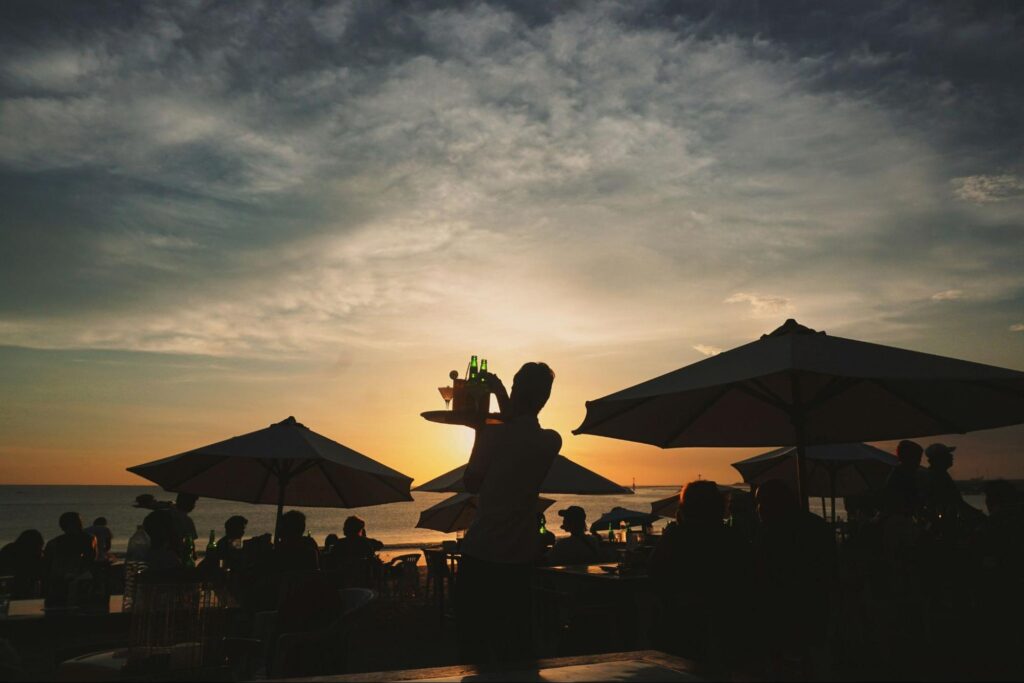
Weather: This is the dry season peak, clear skies, 28–30°C days, lower humidity than the rest of the year. The trade winds that blow through from the southeast keep things comfortable, and the light in the late afternoon is exceptional. If you’ve seen photographs of Seminyak Beach at golden hour, they were almost certainly taken in July or August.
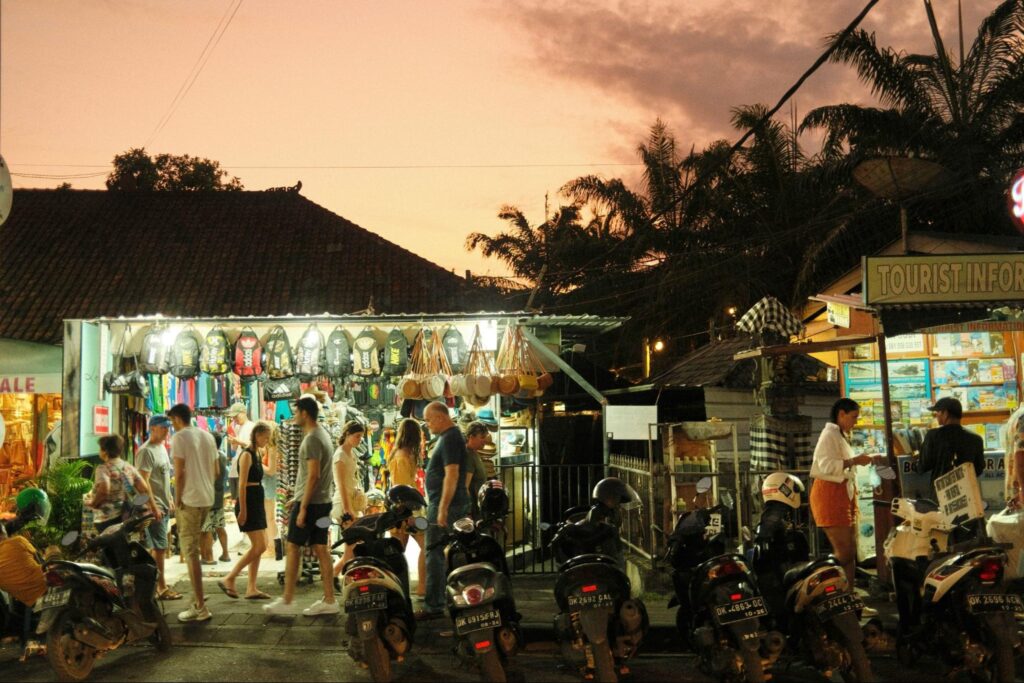
Crowds: Jalan Kayu Aya, Seminyak Beach, and the beach club strip operate at or near capacity. Popular restaurants require reservations 1–2 weeks in advance, walk-ins at quality venues on the Petitenget strip are genuinely difficult in August. Beach clubs hit their sunlounger limit by midday. Getting a good position for sunset takes planning.
Accommodation: Expect a 30–50% premium on standard rates. Boutique hotels in Seminyak run USD 130–180 per night during peak periods; villas USD 250–350+. Around Christmas and New Year’s Eve, minimum stay requirements of 3–5 nights are common, and properties that don’t impose them tend to fill first. The best boutique hotels and villas for July–August are typically gone by February or March.
What it feels like: Energetic, structured, and social. Days require more planning, the spontaneous afternoon has to be replaced by a booking confirmation. For travellers who want the full Seminyak scene at its most active, this is the right window. For travellers who want rest and flexibility, the planning overhead accumulates quickly.
Booking lead time: 4–6 months ahead for quality properties. Don’t leave July–August for April.
Low Season in Seminyak: The Trade-Offs Are Real, But So Is the Value

(Unsplash/Larissa Kisakova)
Dates: November and January–March
Weather: Rainy season, but not in the way most people imagine. Rain in Seminyak typically arrives in short, heavy afternoon or evening bursts rather than all-day grey. Mornings are often clear, good enough for a beach walk or a café breakfast before the clouds build. Humidity is higher, and the lush green that comes with the wet season makes the island look particularly beautiful inland. The honest caveat: west-facing beaches like Seminyak and Legian can collect ocean debris after heavy rain, which affects the beach experience. Planning beach time in the morning rather than the afternoon mitigates this significantly.
Crowds: Significantly fewer. Walk-ins at the neighbourhood’s best restaurants become possible again. Beach clubs have space. Jalan Kayu Aya is browsable without navigating a crowd. The neighbourhood shifts from transactional to liveable.
Accommodation: The lowest rates of the year. Boutique hotels in Seminyak drop to USD 80–120 per night, a 20–35% reduction from high season rates. No minimum stay requirements. More room to negotiate direct rates, and more flexibility from hotels on upgrades and inclusions.
What it feels like: Calmer, slower, more spontaneous. There’s a version of Seminyak in February that regular visitors quietly prefer, the restaurants are still excellent, the spa is still excellent, the hotel pool is still there, and the day doesn’t need to be scheduled. For travellers who find high season Seminyak overwhelming, low season removes most of the friction.
The practical adjustment: A walkable boutique hotel matters more in the rainy season than at any other time. When an afternoon shower arrives without warning, being five minutes from your room on foot is considerably more convenient than being dependent on a Grab.
Shoulder Season: The Honest Best of Both Worlds
Dates: May–June and September–October
Weather: Dry conditions that are nearly identical to high season. May is particularly lush, the vegetation is still green from the wet season, but the rain has stopped. September has the same clear skies as August with a fraction of the crowds.
Crowds: Manageable. Walk-ins at most restaurants are possible without much advance notice. Beach clubs have space, but still feel lively. Seminyak Beach is relaxed without being empty, the right balance for most travellers.
Accommodation: Standard rates with no peak surcharges. Boutique hotels sit at USD 100–150 per night. Booking 4–8 weeks ahead is generally sufficient rather than 4–6 months, which gives more flexibility for plans that aren’t yet fully formed.
What it feels like: The sweet spot, all the weather advantages of high season without the pricing pressure, planning overhead, or crowd dynamics. The last week of June and the first week of September are particularly well-positioned: conditions are nearly identical to peak, with accommodation rates running 20–30% lower.
How Season Affects the Boutique vs. Large Resort Experience
One practical point that doesn’t appear in most seasonal guides: season affects different property types differently.
Large resorts scale with occupancy. In high season, a property with 150 rooms operating at full capacity feels like a different place than the same property in February, shared pools, lobbies, and restaurant queues all reflect the guest count. In peak July or December, those spaces can feel genuinely crowded.
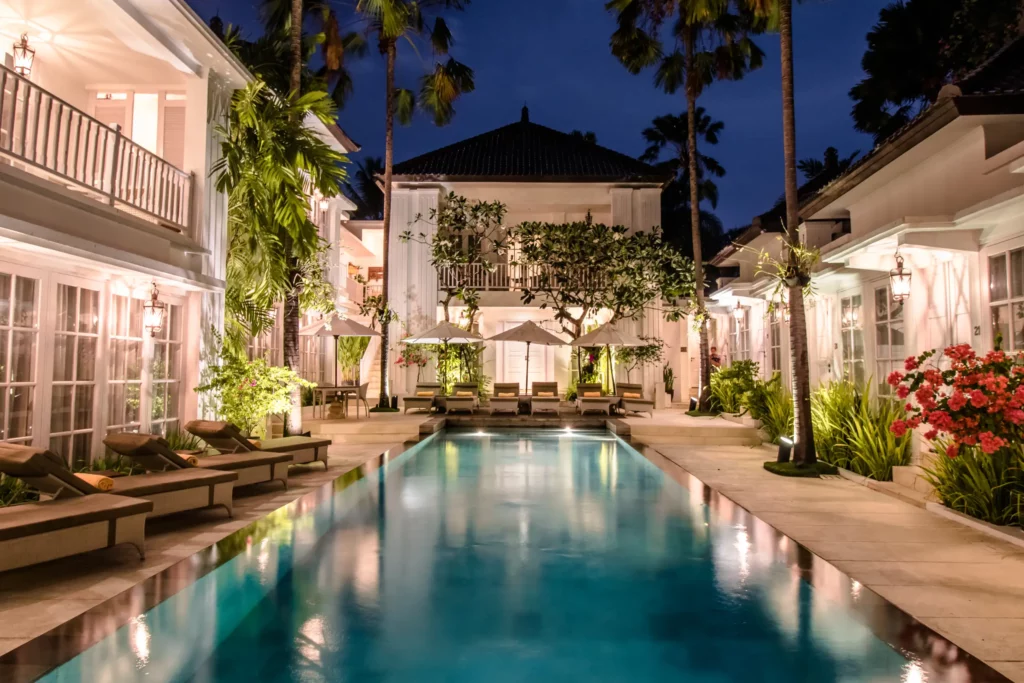
Boutique adults-only properties are structurally more insulated. A hotel with 12–20 rooms has a ceiling on how busy the pool and communal areas can get, regardless of what’s happening in the neighbourhood around it. The service ratio stays consistent because the guest count stays small. The experience doesn’t degrade meaningfully between seasons in the way a larger property can.
That’s the practical case for a boutique in Seminyak, not just the aesthetics, but the consistency. Whether it’s peak August or quiet February, a small adults-only property delivers a more predictable version of itself.
Whether you’re planning for peak season or looking for a quieter window, our team at The Colony can help you find the right dates and room for what you’re after. Browse availability and rates directly, or reach us on WhatsApp, no form, no queue, just a straightforward answer.
For more on what Seminyak costs across different budgets and seasons, our Seminyak cost guide for Australians has the full breakdown. And if you’re still working out the pre-trip practicalities, the Bali visa and entry guide covers the e-VOA, tourist levy, and arrival form in one place.
Frequently Asked Questions
When is the best time to visit Seminyak?
Shoulder season, May–June and September–October, is the best overall window for most travellers. Weather conditions are nearly identical to peak season (dry, clear, 27–30°C), crowds are manageable, and accommodation rates run 20–30% lower than July–August. The last week of June and the first week of September are particularly well-positioned. If the social energy of the high season is what you’re after, July and August deliver that, but plan and book 4–6 months ahead.
Is Seminyak worth visiting in the rainy season?
Yes, with realistic expectations. Rain in Seminyak’s low season (November and January–March) typically arrives in short afternoon or evening bursts rather than all day. Mornings are usually clear. The neighbourhood is significantly less crowded, restaurants are easier to get into, and accommodation rates are at their lowest. The main practical adjustments: plan beach time in the morning rather than the afternoon, and stay somewhere walkable so a sudden shower doesn’t require a Grab ride.
How much cheaper is Seminyak in the low season?
Accommodation drops 20–35% compared to high season rates. Boutique hotels that run USD 130–180 per night in July–August sit at USD 80–120 in the rainy season. Minimum stay requirements disappear, and there’s more room to negotiate inclusions when booking directly. Food, transport, and activity costs don’t vary significantly by season, the savings are almost entirely in accommodation.
When should I book a Seminyak hotel for the high season?
For July–August, book 4–6 months ahead, the best boutique hotels and villas for peak season are typically confirmed by February or March. For December 20–January 5, the lead time is similar; properties that impose minimum stay requirements of 3–5 nights fill fastest. For shoulder season (May–June, September–October), 4–8 weeks ahead is generally sufficient. For the low season, you have considerably more flexibility and can often book within a few weeks of travel.